Chicago moving day permits and parking: what renters need to know
How to get temporary no-parking signs, where box trucks can legally stop, and how to avoid a $250 ticket on moving day.
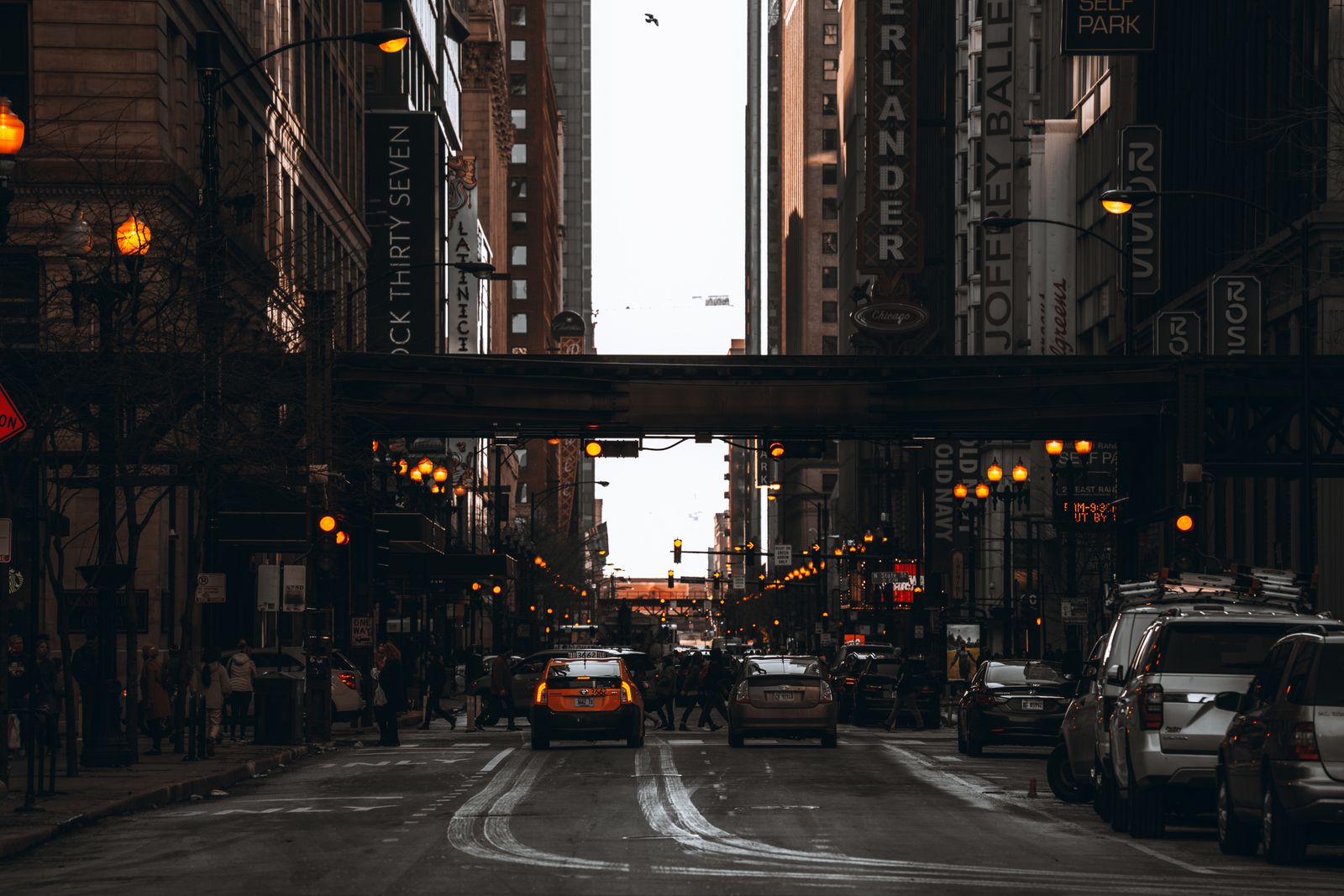
The fastest way to ruin a moving day in Chicago is to arrive with a 16 ft truck and find nowhere to park it. Double parking a box truck on a busy street can bring a ticket, a tow, or an angry bus driver. The good news is that the city has a straightforward process for reserving curb space, and a little planning makes it painless.
Temporary no-parking sign permits
Chicago issues temporary no-parking signs for moving vans through the Department of Transportation. You apply online, pay a small fee per sign, and receive signs that you post on the block at least 24 hours before your move. The signs reserve a stretch of curb long enough for a truck. Check the city's current rules and fees before you apply, because they change from time to time.
- Apply at least 7 days before moving day. Around May 1 and October 1, apply two weeks ahead.
- Post signs at least 24 hours in advance, and photograph them with a timestamp.
- A 16 ft truck needs about 35 ft of curb. A 26 ft truck needs about 45 ft.
- If a car is still parked in your space, call 311 to report it before you start unloading.
Neighborhoods with extra rules
Some wards have residential permit parking zones where only permit holders can park. Your temporary signs still work, but double check the posted hours. In busy areas like Wrigleyville on game days, streets can have event restrictions that override everything else, so avoid Cubs home games if you live near the ballpark.
High-rise buildings in River North, Streeterville and the South Loop usually require a reserved loading dock slot and a certificate of insurance. Ask your building manager at least a week ahead. We can email a certificate of insurance for your rental in about an hour if you call the branch.
Using alleys
Many Chicago buildings have alley access, which can be easier than the street. Before you commit, walk the alley. Look for low power lines, garage overhangs and tight turns. A high-roof cargo van is 9 ft 2 in tall and usually clears alley wires. Box trucks often do not. Do not block the alley for longer than you need, and never block a garage door.
The best moving day plan is a boring one: a reserved curb, a truck that fits the street, and a start time before 9 am.
Truck routes and restricted streets
Trucks are prohibited on Lake Shore Drive, and several boulevards restrict trucks over certain weights. Low viaducts are a real risk, with many posted between 10 ft 6 in and 12 ft. When you rent a box truck from our Pilsen yard, we print a truck route for your addresses that avoids restricted boulevards and low clearances.
Timing your move
Start early. Streets are emptier before 9 am, and you avoid rush hour on the Kennedy and the Eisenhower. Midweek moves are easier for parking and cheaper for trucks. If you can move on a Tuesday or Wednesday, you will find more curb space and pay 20% less for a box truck under our midweek deal.
Moving day checklist
- Permit signs posted and photographed 24 hours ahead.
- Loading dock reserved and certificate of insurance sent, if you live in a high-rise.
- Truck route printed, with low viaducts marked.
- Dollies, blankets and straps confirmed on your booking.
- Parking for helpers' cars arranged, so the truck gets the reserved curb.
Questions about a specific building or street? Call our Pilsen yard and we will talk it through before you book.
This article is general guidance, not legal advice. Check current City of Chicago rules before you move.