Winter driving checklist for rental trucks and vans
Box trucks and cargo vans handle differently on snow. Here is how to load, drive and park them safely from November through March.
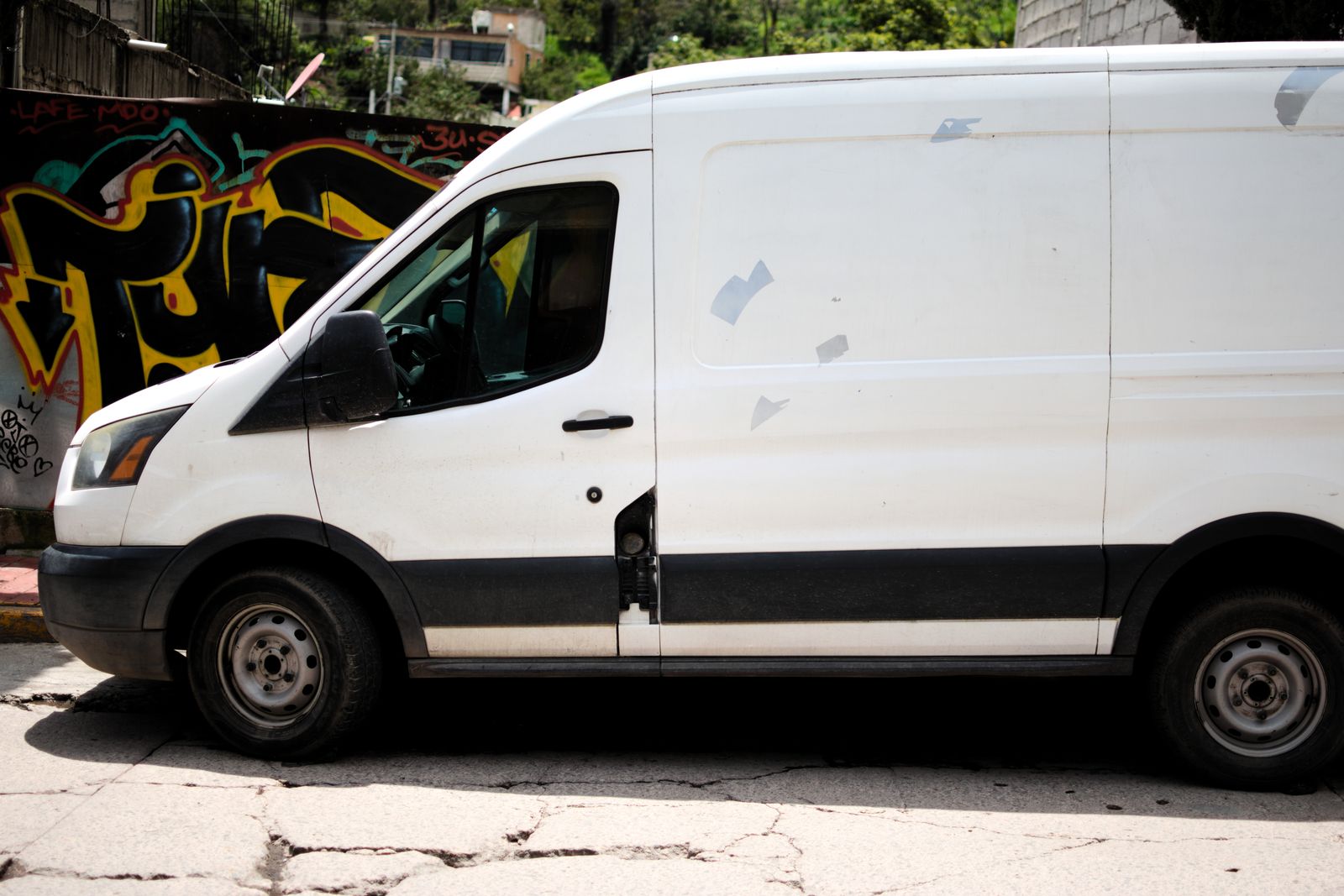
Chicago winters are hard on vehicles and harder on drivers who are not used to a big, rear-wheel drive van on slush. Our maintenance team prepares every truck and van for winter, but how you load and drive it matters just as much. These are the habits we teach at the counter from November through March.
What we do before you pick up
- Tires are checked for at least 6/32 inch of tread. Compact SUVs run 3-peak mountain snowflake rated all-weather tires.
- Batteries are load-tested. Cold weather is the most common cause of no-start calls.
- Washer fluid is swapped for a -20°F blend.
- Every vehicle gets a winter kit with a scraper, brush and a spare jug of washer fluid.
Load for traction
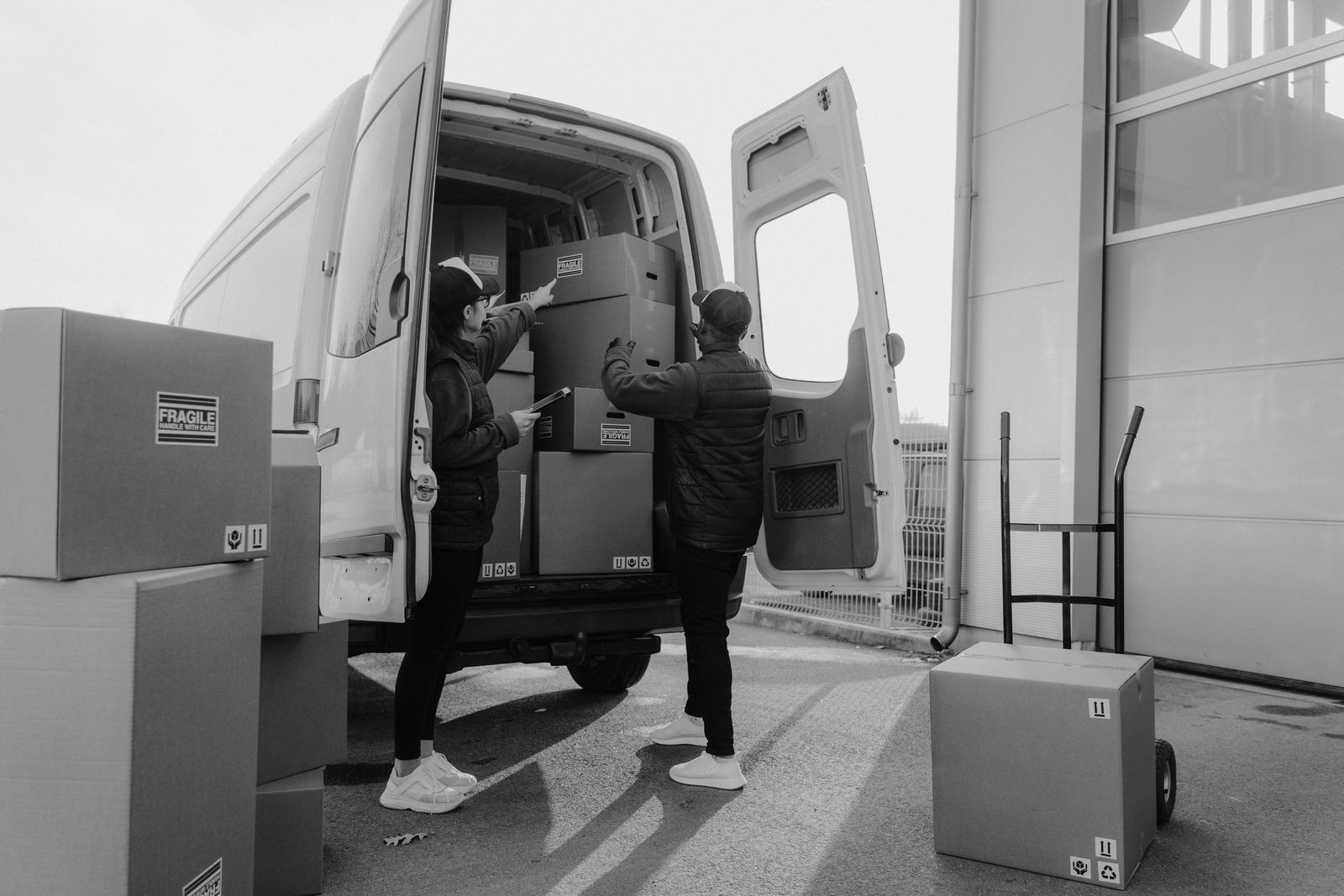
Empty cargo vans and box trucks have very little weight over the rear wheels, which is where the power goes. On snow, an empty rear-drive van can spin its wheels at a green light and slide sideways on a gentle turn. Load heavy boxes low and toward the front of the cargo area, just behind the cab wall, but keep some weight over the rear axle. For a mostly empty van, a few heavy boxes strapped over the rear axle help a lot.
Always strap your load. A sudden stop on ice can send an unsecured dresser into the partition wall. Every truck and van comes with four ratchet straps and E-track or D-ring anchors.
Drive it like it is heavier than it looks
A loaded 16 ft truck can weigh more than 12,000 lb. On dry pavement it needs roughly twice the stopping distance of a car, and on packed snow that can triple. Leave at least six seconds between you and the vehicle ahead, brake early and gently, and avoid sudden steering inputs.
Slow down before the turn, not in it. Most winter truck incidents we see are low-speed slides at corners.
Bridges, ramps and the lakefront
Bridges and elevated ramps freeze before the road around them. The Skyway, the ramps onto the Dan Ryan, and the river bridges downtown are common problem spots. Crosswinds near the lake can push a tall box truck, so keep both hands on the wheel and slow down on exposed stretches.
Parking in snow
Chicago enforces a winter overnight parking ban on certain main streets from December 1 to April 1, from 3 am to 7 am, whether or not it has snowed. Separate snow route restrictions apply on other streets once 2 inches of snow falls. A towed rental truck is expensive and will delay your return, so check the signs before you leave the truck overnight.
- Brush all snow off the roof before driving. Sheets of ice falling from a truck roof can injure other drivers and bring a ticket.
- Do not use the parking brake overnight in extreme cold. It can freeze. Chock the wheels instead if you are on a slope.
- Keep the fuel tank at least half full to reduce condensation and keep you warm if you get stuck.
If something goes wrong
Call our 24/7 roadside line printed on the key tag. Our dispatcher is based in Chicago, knows the city, and can send a tow or a jump start, or arrange a replacement vehicle from the nearest branch. If you slide into something, take photos, exchange details and call us before you move the vehicle, unless it is blocking traffic.
Winter moves are completely doable. Plan an extra hour, load with traction in mind, and you will get there in one piece.
This article is general guidance, not legal advice. Check current City of Chicago rules before you move.