What size moving truck do I need for a Chicago apartment?
A room-by-room way to choose between a cargo van, a 16 ft truck and a 26 ft truck, with the viaduct heights nobody warns you about.
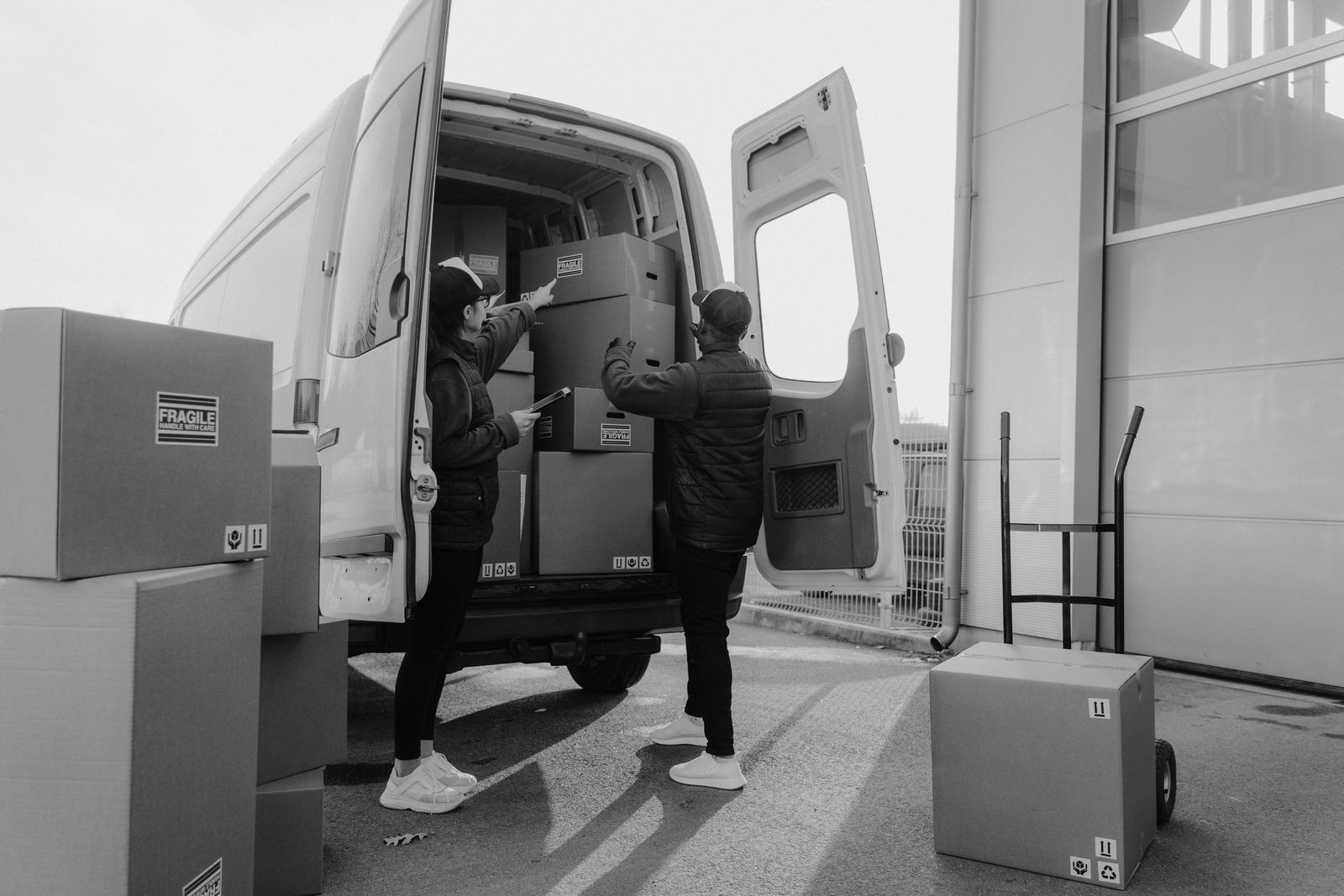
Every week at our Pilsen truck yard somebody returns a 26 ft truck that was two thirds empty, and somebody else calls from Albany Park asking whether we can bring a second van because the first one is full. Picking the right size is the single biggest thing you can do to make moving day cheaper and shorter. Here is the method our counter team uses, based on more than 9,000 truck rentals.
Start with cubic feet, not bedrooms
Bedroom counts are a rough guide, but a Lincoln Park two-bedroom with a home office and a storage cage holds far more than a two-bedroom that a couple moved into last year. A better rule is that a fully furnished room needs about 150 to 200 cubic feet of truck space once it is packed and stacked well. Kitchens run closer to 250 because boxes of dishes and small appliances do not stack tightly.
- Studio or small one-bedroom (300 to 450 cu ft): high-roof cargo van, 487 cu ft.
- Large one-bedroom or two-bedroom (500 to 800 cu ft): 16 ft box truck, 800 cu ft.
- Three-bedroom condo or small house (800 to 1,100 cu ft): 16 ft truck if you pack tightly, 26 ft if you have a garage or basement.
- Four bedrooms or more (1,200 cu ft and up): 26 ft box truck, 1,700 cu ft.
The things that fill a truck faster than you expect
Sectional sofas, sleeper sofas and king-size box springs eat space because they cannot be stacked on. A three-piece sectional takes up roughly the front third of a 16 ft box once you leave room to walk. Grills, bikes and patio furniture are awkward shapes that waste air around them. If you own any of these, size up one step or plan a second trip with a pickup.
Books and records are the opposite problem. They are small but very heavy. A 16 ft truck has a payload of about 5,500 lb, and a serious record collection plus a piano can get close to it. Spread heavy boxes along the floor near the front wall rather than stacking them at the back.
Chicago-specific clearance problems
The city has more low railroad viaducts than almost anywhere in the country. Our 16 ft trucks are 11 ft 2 in tall and our 26 ft trucks are 12 ft 6 in. Plenty of viaducts on the South and West Sides are posted at 11 ft 6 in or lower, and some older ones have lost a few inches to repaving. Lower Wacker Drive has sections under 10 ft.
If a viaduct sign says 12 ft and you are driving a 26 ft truck, do not go under it. Turn around. Roof damage is not covered by any waiver.
Trucks are also banned from Lake Shore Drive and from many boulevards, including parts of Logan, Humboldt and Garfield. When you pick up at Pilsen, ask for a printed truck route. We mark low clearances and restricted streets for your specific start and end addresses.
Why a cargo van is often the smarter choice
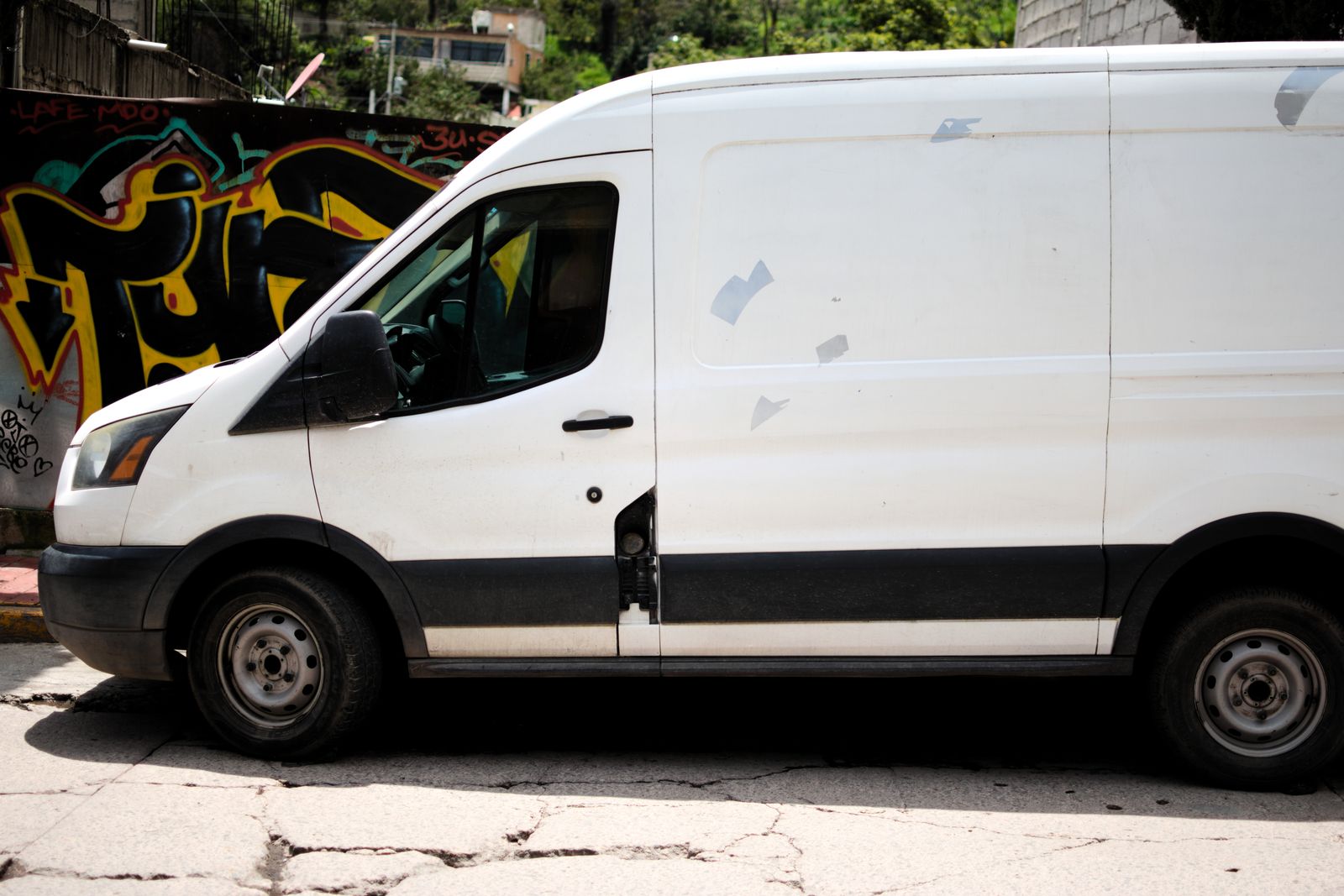
For studio and one-bedroom moves in walk-up buildings, a high-roof cargo van beats a small box truck almost every time. It parks in a normal street spot, so you may not need a no-parking permit. The load floor is only 27 inches high compared with about 34 inches on a box truck, which matters when you are lifting a dresser for the fortieth time. It also gets better fuel economy and fits in most alleys under the wires.
How to estimate what it will cost
Truck rentals include 150 miles per day. Most moves within the city use between 30 and 60 miles, including the drive to and from our yard. Based on our sample rates, a one-day local move in a 16 ft truck with a utility dolly usually lands around $150 before taxes and optional protection. The same move in a cargo van is closer to $110. A 26 ft truck for a suburban house move, with a liftgate and two days, is typically $420 to $480.
Midweek is cheaper
The last weekend of the month and the first of the next are the busiest days of the year for trucks in Chicago, especially around May 1 and October 1 when many leases turn over. Picking up Monday through Thursday gets you 20% off box trucks with our midweek deal, and you are far more likely to find street parking outside your building.
A quick checklist before you book
- Measure your largest item, usually the sofa, and compare it with the truck's door opening (about 7 ft wide by 6 ft 8 in tall on a 16 ft truck).
- Check your building's loading dock height limit if you live in a high-rise. Many are 12 ft.
- Apply for a temporary no-parking sign permit at least a week ahead if you need curb space for a box truck.
- Book dollies and extra blankets at the same time. They run out on busy weekends.
Still not sure? Call the Pilsen yard at (312) 555-0162 and describe your place. We will tell you honestly if you can get away with the smaller vehicle.
This article is general guidance, not legal advice. Check current City of Chicago rules before you move.